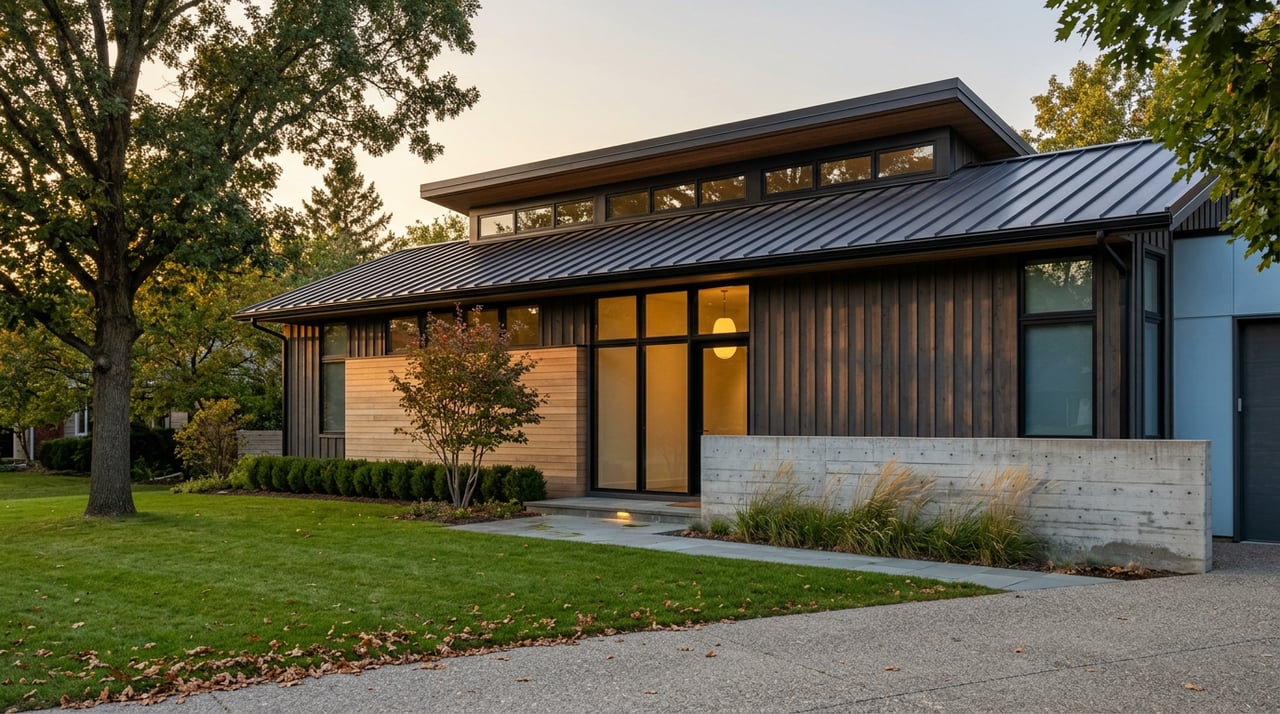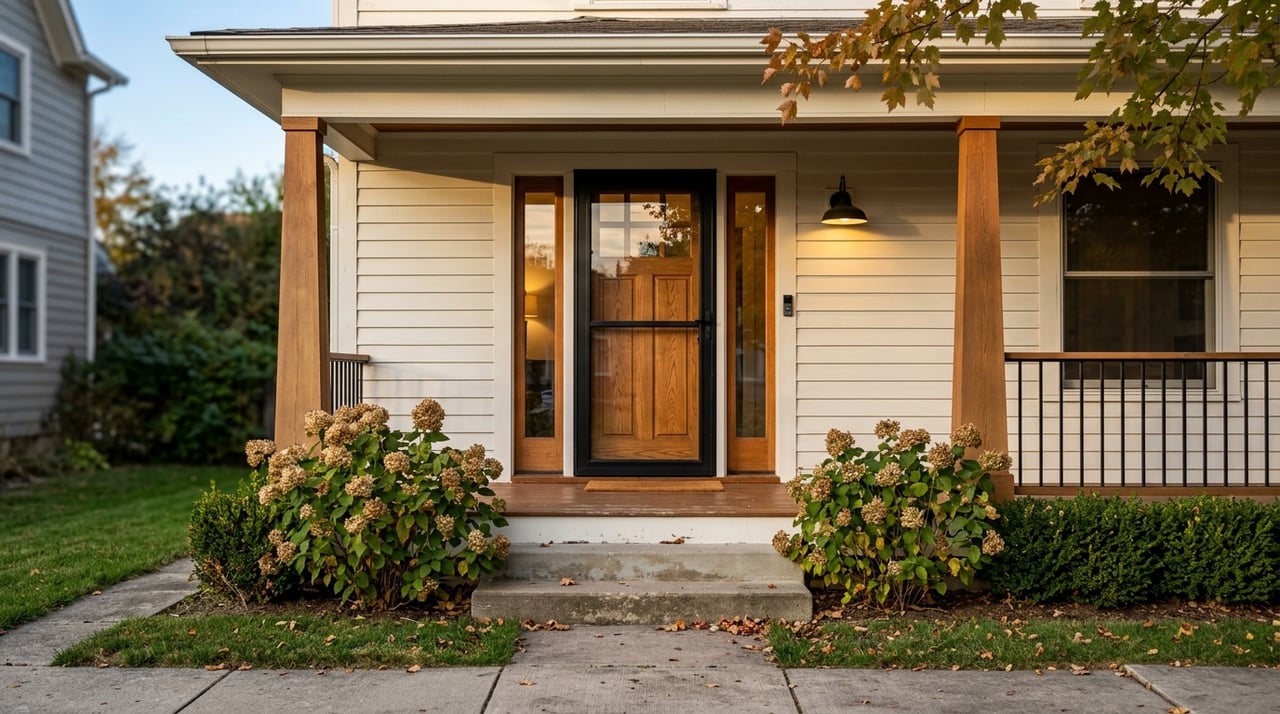
Wondering how much you should update an older Minneapolis home before you sell it? You are not alone. In a city where many homes were built decades ago, the challenge is usually not whether your home has character, but how to present that character in a way that feels clean, cared for, and easy for today’s buyers to say yes to. This guide will help you focus on the updates that matter most, avoid common missteps, and prepare your home with confidence. Let’s dive in.
Why older homes shape the Minneapolis market
Older homes are a major part of Minneapolis housing, not a small corner of it. According to MN Compass, 42.8% of housing units in Minneapolis were built in 1939 or earlier, and another 21.2% were built from 1940 to 1969.
That means buyers in Minneapolis are used to seeing bungalows, foursquares, and early mid-century homes. Many of them like the personality these homes offer. At the same time, buyers often worry about hidden issues, especially when they see signs of deferred maintenance.
The goal is usually not to strip out everything original and make the house look brand new. It is to keep the charm, reduce buyer uncertainty, and make the home feel bright, functional, and move-in ready.
Focus on marketability first
When you prepare an older home for sale, it helps to think like a buyer seeing the property for the first time online. More than 90% of buyers search online, and 85% say photos are the most important factor in deciding which homes to tour.
That matters because buyers often make emotional decisions quickly. If your home looks dark, cluttered, or full of small problems, they may assume bigger issues are waiting underneath.
Staging and presentation can make a real difference. Research from NAR found that 83% of buyers’ agents said staging made it easier for buyers to visualize a property as a future home, and about 29% of seller’s agents reported staged homes received offers that were 1% to 10% higher in dollar value.
Keep the character buyers want
Original details can be one of your home’s biggest strengths. Hardwood floors, solid millwork, built-ins, vintage doors, and classic trim often help an older Minneapolis home stand out.
In most cases, these features should not be replaced by default. Buyers often appreciate older-home character, especially when it feels intentional and well maintained.
Instead of removing those features, think about how to make them look their best. A careful refresh usually works better than a full style reset.
Original floors and woodwork
If you have original floors, refinishing or repairing them can go a long way. Worn hardwood does not always scare buyers off, but heavily scratched, dull, or damaged floors can make the home feel neglected.
The same goes for trim, baseboards, window casings, and built-ins. Touching up paint or finish, cleaning thoroughly, and repairing visible wear can help buyers see quality instead of a project list.
Vintage details with modern function
You do not need to erase period details to make the home feel current. A house can keep its original personality while still feeling easier to live in today.
Simple changes like better lighting, fresh paint, and updated hardware can help bridge that gap. These updates make the home feel more current without overwhelming what makes it special.
Prioritize the updates buyers notice fast
The best pre-listing updates are often simple and targeted. They improve first impressions and remove the little red flags that can make buyers mentally subtract value.
NAR notes that even minor issues can add to a buyer’s running checklist of future repairs and costs. That is why small fixes often carry more weight than sellers expect.
High-impact refreshes
Start with the basics that affect how the home looks, feels, and photographs:
- Refinish or repair original hardwood floors
- Touch up trim, millwork, and doors
- Repaint with cleaner, lighter colors
- Improve lighting in darker rooms
- Deep clean every space
- Reduce visible clutter and oversized furniture
- Address odors right away
These changes help buyers focus on the home itself instead of distractions. They also support stronger listing photos, which matter a lot in online search.
Fix the small irritants
Small problems can make a home feel less cared for than it really is. Before listing, it is smart to correct issues such as:
- Creaky floorboards
- Dripping faucets
- Loose hardware
- Sticking doors
- Scuffed walls
- Burned-out bulbs
- Missing trim details
None of these repairs are glamorous. But together, they can shift the buyer’s impression from “What else is wrong?” to “This home has been well maintained.”
Modernize selectively, not excessively
A common mistake with older homes is over-improving for the market. Buyers of previously owned homes often choose them for better value and better pricing, so a massive remodel is not always the best move before selling.
Instead, modernize just enough to make the home feel current and comfortable. Think practical, low-profile updates rather than a full reinvention.
Smart and efficient touches
NAR’s 2025 buyer survey found that some buyers are drawn to green features and smart-home options. That does not mean you need to turn your older Minneapolis home into a tech-heavy showcase.
A few modest upgrades may be enough, such as:
- A smart thermostat
- A connected doorbell
- Improved LED lighting
These additions can help the home feel more current without competing with its original style.
Avoid losing the home’s identity
If every old detail gets replaced, the home can lose the very character that made it appealing in the first place. Buyers looking at older Minneapolis homes usually expect some history and texture.
A better strategy is balance. Keep what gives the home personality, then refresh the areas that create friction or uncertainty.
Watch for lead, permits, and preservation rules
With older homes, prep work is not only about appearance. You also need to pay attention to compliance issues that can affect the sale process.
This is one area where being proactive can save time and reduce surprises later.
Lead paint matters in pre-1978 homes
According to the Minnesota Department of Health, about 75% of homes built before 1978 contain some lead-based paint. If your Minneapolis home was built before 1978, this is something you should take seriously.
Before selling most pre-1978 housing, sellers and real estate agents must disclose known lead information, provide the federal lead pamphlet, and give buyers a 10-day opportunity for inspection or risk assessment. If you are planning renovation work that may disturb painted surfaces, lead-safe work practices and certified contractors may be needed.
Preservation review may apply
Minneapolis has a strong historic preservation framework. If your property is a local landmark or located in a local historic district, some exterior changes may need preservation review.
The city notes that this can apply to visible exterior features such as windows, doors, roofing materials, porches, steps, and surface materials. The review process typically takes about 6 to 8 weeks, so it is smart to check before starting exterior work.
Routine maintenance may be treated differently from more visible alterations. Like-for-like roof replacement, tuckpointing, and limited masonry or siding repair may follow a different path than larger exterior changes.
Permits and licensed work
For larger repairs or updates, permits may be required. Minneapolis describes a building permit as the legal permission to start construction, with plans reviewed and inspected.
The city also states that certain residential contractor work requires a city license. In some cases, a licensed electrician must certify that the dwelling’s electrical system complies with code. That is why electrical work and other non-cosmetic repairs are best handled by appropriately licensed professionals.
Build a practical pre-listing plan
If you are getting ready to sell, the most effective approach is usually a short, focused plan. You do not need to fix everything. You need to fix the right things.
Here is a smart order of operations for many older Minneapolis homes.
Step 1: Walk the home like a buyer
Start by looking at each room with fresh eyes. Ask yourself what stands out in the first 10 seconds, especially in terms of light, cleanliness, wear, and layout.
If something would catch your attention in a listing photo, it probably needs attention before the home goes live.
Step 2: Handle visible maintenance issues
Take care of the obvious items first. Buyers are much more comfortable with older homes when the basics feel solid and well maintained.
This includes cosmetic repairs, small hardware fixes, paint touch-ups, flooring improvements, and anything else that signals care.
Step 3: Confirm any compliance concerns
If the home is pre-1978, gather lead-related information and disclosures. If you are planning exterior work on an older or historically sensitive property, check whether preservation review applies.
If a repair involves electrical or other permit-driven work, bring in the right licensed professional early.
Step 4: Prepare for photos and showings
Once repairs are done, focus on presentation. Clean thoroughly, simplify each room, improve lighting, and stage the home so buyers can picture daily life there.
This step matters because your online presentation is often the first showing. Strong photos and a polished setup can increase interest before a buyer ever walks through the door.
Why a local strategy matters
Preparing an older home in Minneapolis is different from prepping a newer suburban property. You are often balancing original materials, local preservation rules, and buyer expectations around charm, condition, and value.
That is where practical guidance can make a big difference. When you know what to preserve, what to refresh, and what to leave alone, you can put your budget where it helps most.
For sellers, that often means a cleaner story, better photos, less buyer hesitation, and a more confident launch to market. If you want help deciding which updates are worth doing before you list, connect with Jesse James Forsell for a free consultation.
FAQs
What updates help an older Minneapolis home sell better?
- The most helpful updates are usually refinished or repaired floors, touch-up work on trim and millwork, lighter paint, better lighting, deep cleaning, staging, and fixing visible maintenance issues.
Should you replace original features in an older Minneapolis home before selling?
- Usually not. Original floors, woodwork, built-ins, and other classic details often add appeal, especially when they are cleaned up and repaired rather than removed.
Do Minneapolis sellers need to worry about lead paint in older homes?
- Yes, especially in homes built before 1978. Minnesota Department of Health information says many older homes contain lead-based paint, and sellers of most pre-1978 homes must follow disclosure requirements.
When does historic preservation review apply in Minneapolis?
- It may apply if your property is a designated local landmark or located in a local historic district, especially for exterior changes such as windows, doors, roofing, porches, steps, and surface materials.
Should you fully remodel an older Minneapolis home before listing it?
- Usually no. A selective refresh that improves appearance, lighting, function, and buyer confidence is often more effective than an expensive full remodel that removes the home’s original character.