What does daily life really feel like in Saint Louis Park? If you want close access to Minneapolis without giving up trees, trails, and easy errands, this inner-ring suburb might be your sweet spot. You’ll get a grounded look at neighborhood rhythms, commute options, housing styles, and local conveniences to help you decide if it matches your lifestyle. Let’s dive in.
Where Saint Louis Park fits
Saint Louis Park sits immediately west of Minneapolis, right in the core Twin Cities activity zone. You are a short drive to downtown and close to neighboring cities like Edina, Hopkins, and Golden Valley. The location makes it practical to work or play in Minneapolis while living on quieter residential streets.
Typical drive times to downtown Minneapolis are often about 10 to 25 minutes, depending on your route and traffic. You will find well-established blocks with mature trees alongside newer infill near commercial corridors, so the vibe shifts a bit from street to street.
Parks, trails, and active living
Parks are a big part of everyday life here. Neighborhood parks dot the city, and you will find fields, courts, playgrounds, and open space for casual meetups or youth sports. Multi-use regional trails cross through Saint Louis Park and link to broader Twin Cities routes, so biking or jogging off-street is a common routine.
Community recreation is strong. Seasonal programs, leagues, fitness classes, and drop-in events knit together residents of all ages. In winter, you will see sledding hills, trail use, and indoor programing keep people moving even when temps drop.
Everyday recreation highlights
- Morning: Grab a walk on an off-street trail or a neighborhood loop with the dog.
- After school: Youth sports, playground time, or a quick bike ride.
- Weekends: Longer trail rides, community center classes, and seasonal festivals.
Dining, shopping, and local hangouts
You will find a healthy mix of locally owned restaurants, cafes, and bakeries alongside familiar national chains. Many spots cluster in redeveloped mixed-use nodes and along key commercial corridors, which makes dinner, coffee, and quick errands simple.
Daily needs are close by. Groceries, pharmacies, fitness, and services are typically within a short drive, and larger retail options in nearby suburbs are easy to reach. The nightlife profile is low to moderate compared with downtown Minneapolis, with neighborhood bars and restaurants setting the tone.
Getting around day to day
Driving is straightforward with direct access to regional arteries that connect you to Minneapolis and the western suburbs. Expect typical peak-hour traffic patterns. Parking is generally available around most commercial hubs, though some newer mixed-use areas concentrate parking in lots or structures.
Public transit is bus-focused, with routes linking neighborhoods to downtown and other job centers. Rail access is usually via transfers to regional lines outside the city. If you prefer biking, you will appreciate a network of on-street lanes and off-street trails that make bike commuting into Minneapolis realistic for many riders.
What to expect for commutes
- Car: Often 10 to 25 minutes to downtown Minneapolis in typical conditions.
- Transit: Bus trips are common and may involve transfers for regional rail.
- Bike: Off-street and on-street options support regular rides into the city.
Housing styles and neighborhood texture
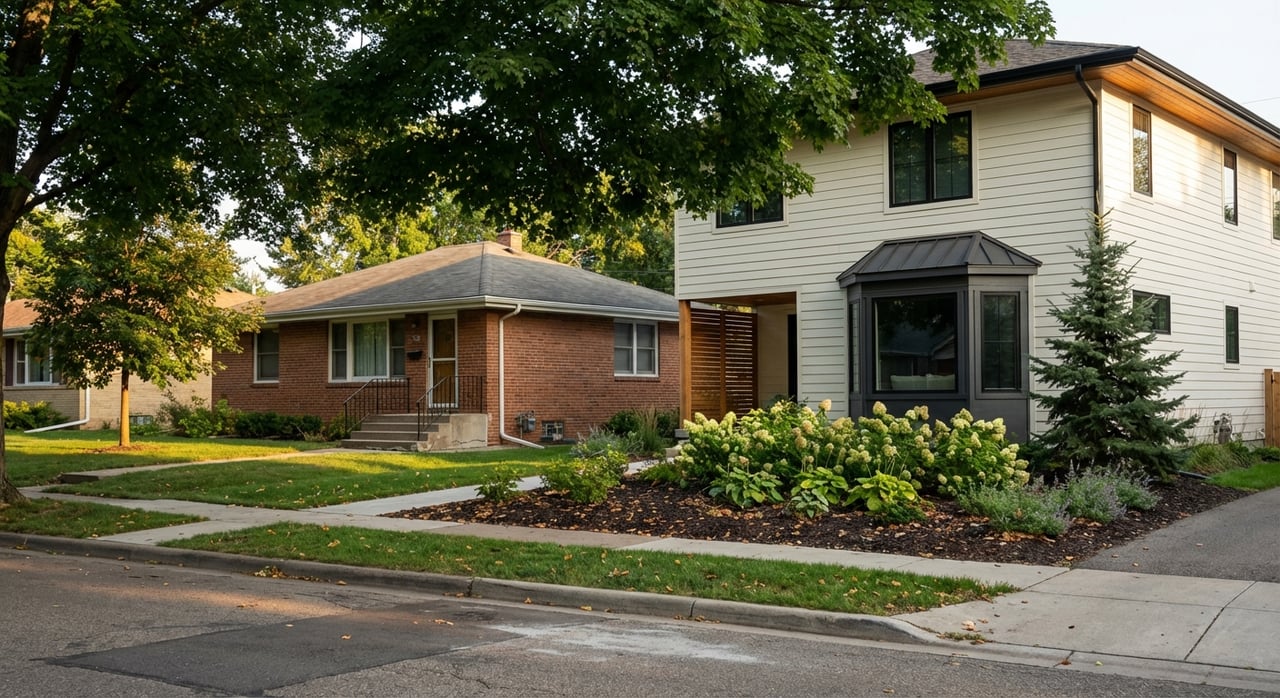
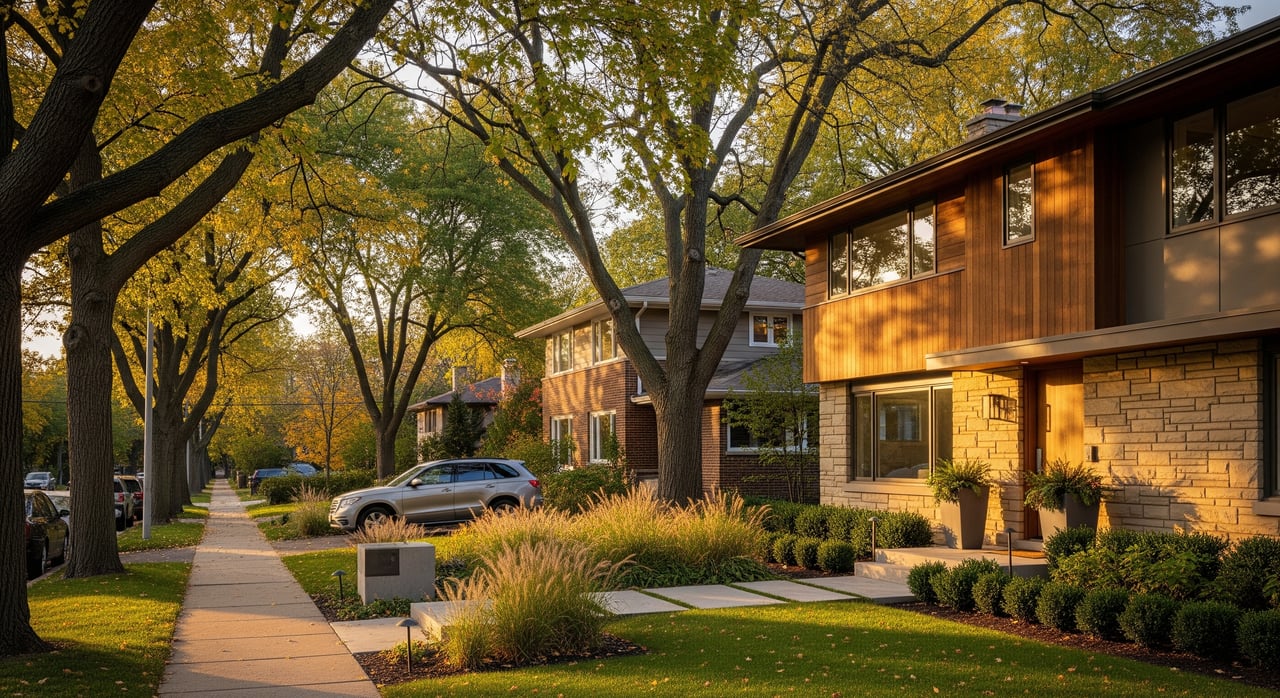
Housing is varied and reflects the city’s long history. You will see early and mid-20th-century single-family homes, classic bungalows, and many mid-century designs. Infill townhomes, condos, and apartments add options near transit corridors and commercial nodes, which can increase walkability for daily errands.
Lots are usually moderate in size, with tree-lined streets that feel residential and calm. As with most inner-ring suburbs, character and walkability vary by block. If you want a short stroll to dining or trails, look near mixed-use areas and trail connections.
Who typically buys here
- Households that want short commutes to Minneapolis with suburban amenities.
- Professionals who value parks, trails, and nearby restaurants.
- Downsizers seeking manageable homes without sacrificing location.
Renovation and listing trends
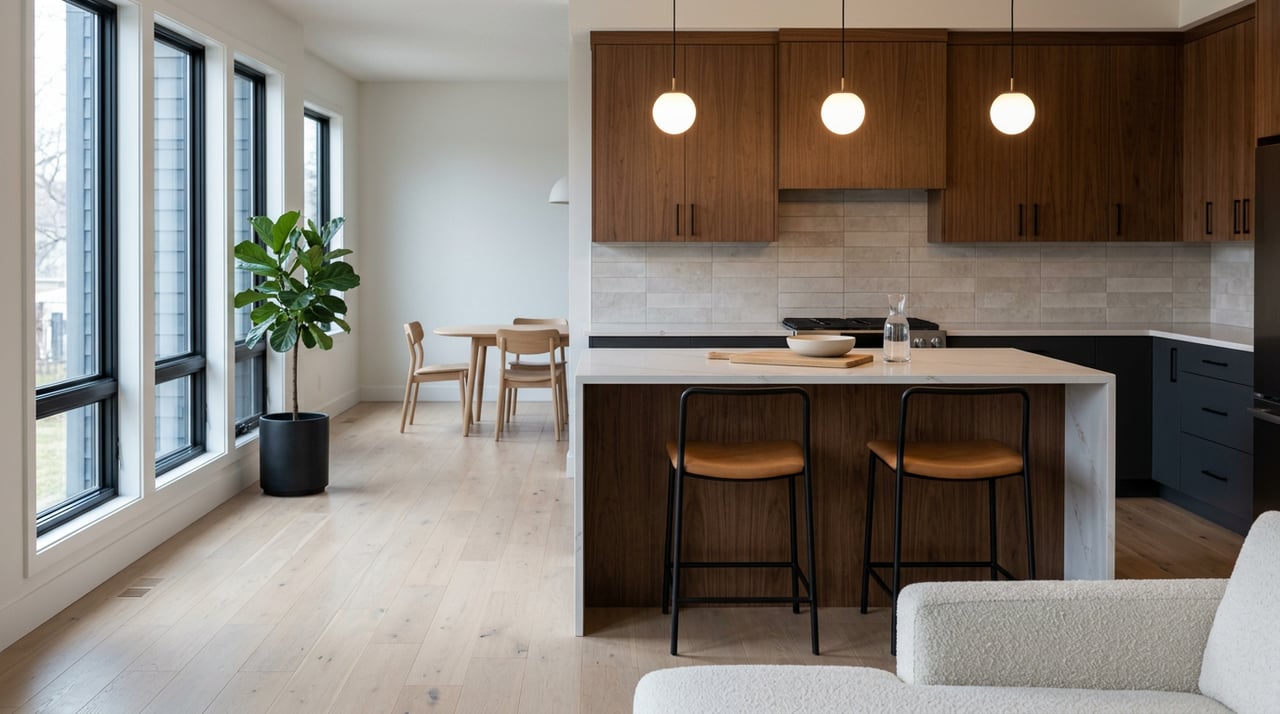
Many older homes see kitchen and bath updates, finished basements, and modernized systems. Outdoor living spaces are popular upgrades. Some blocks experience infill and redevelopment, especially near commercial areas. If you plan to sell, condition updates, staging, and high-quality digital presentation tend to impact results.
Schools, services, and practicalities
Saint Louis Park is served by St. Louis Park Public Schools (ISD 283). You will also find private and charter options in and near the city. For specific boundaries, programs, and current ratings, review official district and state education sources.
Healthcare is easy to access, with clinics in town and major hospitals a short drive away in Minneapolis and nearby suburbs. Libraries, community centers, and recreation facilities offer year-round programs and meeting spaces.
Property taxes are administered through Hennepin County. The city manages utilities like water, sewer, garbage, and recycling. These details change over time, so it is smart to check current information when you are preparing to buy or sell.
Is Saint Louis Park a fit for you
Every suburb offers trade-offs. Here is a quick look at how SLP stacks up.
Top advantages
- Proximity to Minneapolis with short drive times.
- Strong park and trail access with active recreation programs.
- A mix of housing types, including bungalows, mid-century homes, townhomes, and condos.
- Growing walkable nodes near commercial corridors.
Things to consider
- Walkability varies by block. Some areas are more car-dependent.
- Redevelopment can create transitional pockets in select corridors.
- Transit access is bus-heavy, and trips may require transfers.
Buyer tips from a local lens
- Define your lifestyle anchors. If trails or dining matter, focus your search near mixed-use areas or trail connections.
- Compare micro-markets. Prices and speed of sale can shift by block. Look at recent nearby sales for the clearest picture.
- Plan for seasonality. Spring and summer often bring more listings and competition. Interest rates can sway demand.
- Inspect for age-related updates. Many homes benefit from modern mechanicals, basement finishing, or kitchen and bath refreshes.
If you want practical guidance on which upgrades deliver the most value, work with an advisor who knows renovation costs and buyer preferences on these streets.
Seller strategies that work
- Elevate presentation. Staging, professional visuals, and clean curb appeal help your listing stand out.
- Prioritize value-adding updates. Target high-impact finishes in kitchens and baths, and tighten up deferred maintenance.
- Highlight lifestyle. Proximity to parks and trails, nearby dining, and a simple commute to Minneapolis are compelling buyer motivators.
- Price to the block. Use hyper-local comps within your immediate area for accurate pricing.
Renting and investing in SLP
Saint Louis Park offers apartments and condos near commercial corridors and transit links, which can work for renters and small-scale investors. If you are evaluating an investment, review local zoning and rental rules, and check current vacancy and rent data for your specific property type. The area’s short commute times and trail access appeal to a wide range of renters.
Next steps
If you are weighing Saint Louis Park, you are not alone. Many buyers and sellers are drawn to its balance of location, parks, and convenience. For tailored advice on homes, renovations, pricing, or rental options, connect with a local expert who knows these blocks and how to market them well. Schedule a conversation with Jesse James Forsell to map your next move.
FAQs
How long is the commute from Saint Louis Park to downtown Minneapolis?
- Typical drive times are often about 10 to 25 minutes, depending on route and traffic; transit is bus-based and may involve transfers.
Which Saint Louis Park areas feel most walkable for errands?
- Walkability is strongest near mixed-use corridors and commercial nodes, while quieter residential blocks may be more car-focused.
What home styles are common in Saint Louis Park?
- You will see early and mid-20th-century single-family homes, classic bungalows, mid-century designs, and newer townhomes, condos, and apartments near corridors.
How are Saint Louis Park public schools organized?
- The city is served by St. Louis Park Public Schools (ISD 283), with additional private and charter options nearby; check official sources for boundaries and programs.
How safe is daily life in Saint Louis Park?
- Safety perceptions vary by block. Review the police department’s crime maps and recent reports for current neighborhood-level information.
Is Saint Louis Park a good place to rent or invest?
- Yes, there are apartments and condos near employment and transit links. Confirm zoning and local rental rules, and review current vacancy and rent data for your property type.