Think a fixer-upper in Robbinsdale is your shortcut to a deal? It can be, but only if you go in with a clear plan. In a market where buyers should expect competition rather than deep discounts, the right renovation strategy matters just as much as the purchase price. This guide will help you sort cosmetic updates from major repairs, understand financing and permits, and focus your budget on improvements that can make the biggest impact. Let’s dive in.
Why Robbinsdale fixer-uppers need a plan
Robbinsdale is currently considered a seller’s market, which means you may not find dramatic bargains just because a home needs work. According to Realtor.com’s Robbinsdale market overview, homes have been selling for about asking on average in recent snapshots, with a median sale price of $322,400.
That does not mean fixer-uppers are off the table. It means your edge comes from buying a home with understandable issues, creating a realistic scope of work, and knowing where renovation dollars are likely to pay off. In a mostly owner-occupied market like Robbinsdale, as shown in U.S. Census QuickFacts, that can matter whether you are buying a primary residence or a small rental property.
Start with cosmetic or structural
The first question is simple: are you looking at a home that needs surface-level updates, or one that has problems in the bones of the house?
Cosmetic work usually includes:
- Paint
- Flooring
- Lighting
- Trim
- Cabinet hardware
- Other visual refresh items
Structural or mechanical work usually includes:
- Roof issues
- Foundation concerns
- Plumbing problems
- Electrical problems
- HVAC replacement or repair
- Moisture intrusion
- Other safety or habitability issues
This distinction matters because cost, timeline, and financing can change fast once you move beyond appearances. HUD explains in its home inspection guidance that an inspection helps identify issues with the structure, construction, and mechanical systems, and it can also estimate the remaining useful life of major systems and finishes.
Get the inspection early
If you are buying a fixer-upper, do not confuse an appraisal with an inspection. HUD is very clear that an appraisal is not a home inspection, and a home inspection is something the buyer should arrange.
That step is especially important when you are trying to decide whether a home needs a manageable update or a much deeper rehab. An early inspection can help you understand what is cosmetic, what may require licensed trades, and what could affect your financing options or renovation timeline.
Match the loan to the project
Once you know the work scope, the next step is choosing the right financing path. Not every fixer-upper needs a renovation loan, but if cash flow is tight or the repairs are too extensive for a standard purchase, it can be worth exploring.
HUD 203(k) options
HUD’s 203(k) program is designed for homes that need repairs or upgrades.
- Limited 203(k): for minor, non-structural repairs and upgrades, with up to $75,000 in repairs
- Standard 203(k): for major rehabilitation and repair, including structural work, with rehab costs of at least $5,000
The tradeoff is that the process is more involved. HUD notes that these loans can require consultant work write-ups, contractor bids, permits, staged inspections, and draw releases, which usually means a longer timeline than a conventional purchase.
Fannie Mae HomeStyle Renovation
Fannie Mae’s HomeStyle Renovation mortgage can finance repairs, remodeling, renovations, and energy improvements on eligible one- to four-unit properties. It can also cover renovation-related costs like inspection fees, consultant fees, engineering fees, title updates, and required permits.
For buyers who want flexibility, this program can be useful because it may also allow up to 50% of project funds upfront for items like materials, permits, or design fees. Fannie Mae also notes that DIY work on one-unit properties may not exceed 10% of the as-completed value.
Freddie Mac CHOICERenovation
If you are looking at a one-unit investment property, Freddie Mac’s CHOICERenovation may also be worth discussing with your lender. Freddie describes it as a single-close mortgage with no interim construction financing to pay off, which can simplify the structure for some buyers.
Know Robbinsdale permit rules
A strong fixer-upper plan is not just about finishes and budgets. It is also about knowing what the city may require before work begins.
The City of Robbinsdale says you can review property information such as permit history, inspection status, and plans through its building permits and inspections portal. That is one of the smartest due diligence steps you can take before closing.
Why does that matter? Because work that seems simple can become code-sensitive if it affects life safety or finished living space. The city specifically references items like basement finishing, egress windows, window replacement, additions, and accessory buildings.
At the budgeting stage, permit costs matter too. Robbinsdale states that permit fees are based on the contract value of the work, including materials, and property owners doing their own work must still include labor in the valuation and submit a Property Owner Affidavit. The city also notes that electrical permits and inspections go through the Minnesota Board of Electricity.
If the property may become a rental
If you are buying with future rental plans in mind, make sure you understand the local rules before you close. Robbinsdale requires a Rental Dwelling License for all non-owner-occupied properties, including relative-occupied units.
The city says the license is issued after an application, fees, and a successful inspection. It also states that renting before the license is issued is a code violation that can bring a $400 fine. For new rentals or ownership changes, the city requires one-time Crime Free Housing Training.
That does not mean a fixer-upper cannot work as an investment. It simply means your renovation plan should include licensing, inspection timing, and compliance costs from day one.
Focus first on high-impact upgrades
When you buy a fixer-upper, it is easy to dream about a full transformation. But if your goal is resale value or practical long-term use, the smartest updates are often the least flashy.
According to the 2025 Cost vs. Value report, some of the strongest resale returns came from visible exterior and entry improvements. Garage door replacement recouped about 268% of cost, steel entry door replacement about 216%, manufactured stone veneer about 208%, fiber-cement siding replacement about 114%, and a minor kitchen remodel about 113%.
By contrast, a major kitchen remodel recouped about 51%. That is a strong reminder that practical, high-visibility improvements often outperform expensive, highly customized overhauls.
A smart Robbinsdale renovation order
For many fixer-uppers in Robbinsdale, a sensible order of operations looks like this:
- Fix safety and habitability issues first such as electrical, plumbing, HVAC, roof, or moisture concerns
- Handle permit-driven work next such as basement finishing, egress changes, or other code-sensitive updates
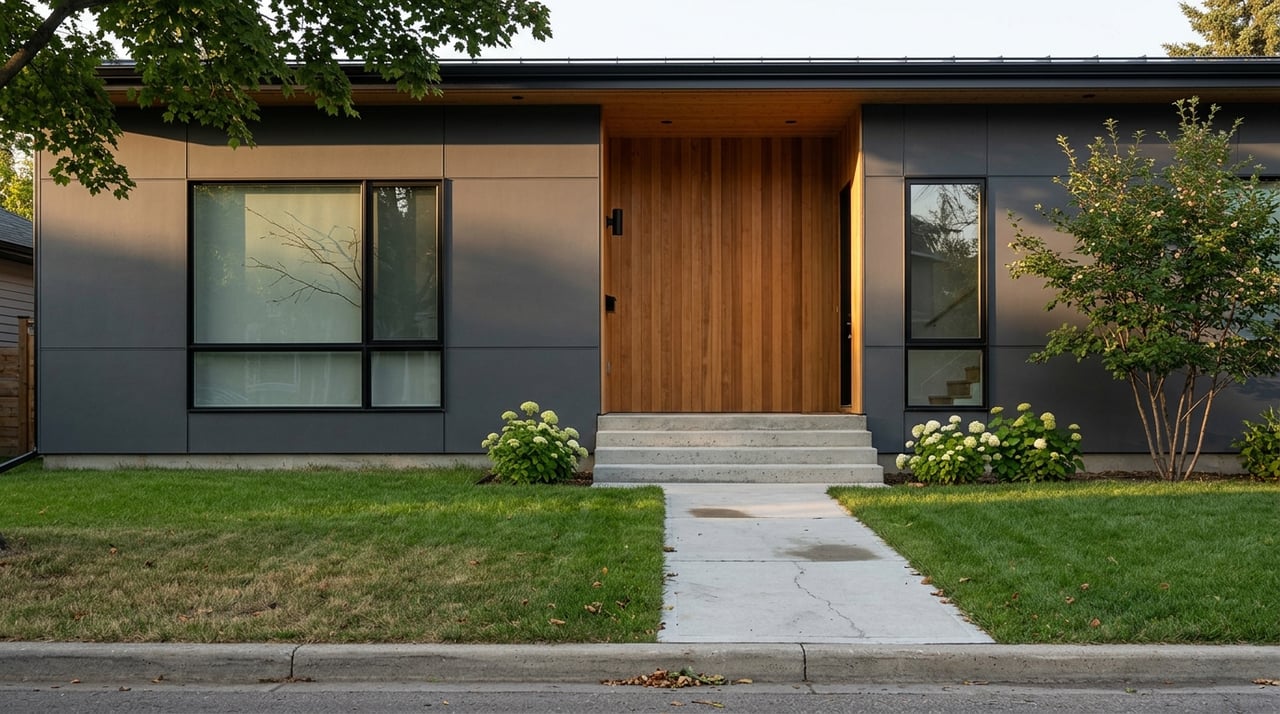
- Improve curb appeal with exterior repairs, entry updates, and visible trim or siding touch-ups
- Refresh the kitchen with a minor, functional update rather than a luxury-level overhaul
- Finish interior cosmetics like paint, flooring, lighting, and bath updates
This approach helps you protect the home, manage city requirements, and put money toward updates buyers or renters are likely to notice right away.
Avoid the wrong kind of project
Not every fixer-upper is a good opportunity. In a competitive market, the best target is usually not the house with the biggest list of unknowns.
A better option is a home where the inspection findings are clear, the permit path is manageable, and the renovation scope matches your budget and timeline. That may mean choosing a property with dated finishes and a tired kitchen over one with unresolved moisture, foundation, or systems issues.
For rental-minded buyers, reliability can matter even more than appearance. Fannie Mae notes that HomeStyle can include projects such as basement apartments and in-law suites, as explained on its consumer HomeStyle page, but any income-producing setup still has to align with local permits and Robbinsdale’s rental licensing rules.
Your fixer-upper game plan
If you are considering buying a fixer-upper in Robbinsdale, keep your plan simple and disciplined:
- Buy with the inspection in mind
- Separate cosmetic wants from structural needs
- Choose financing that fits the actual scope of work
- Check permit history before closing
- Budget for city permits and inspections
- Focus early dollars on safety, curb appeal, and functional kitchen updates
- If renting later, plan for licensing requirements upfront
A fixer-upper can absolutely be a smart move in Robbinsdale, but the win usually comes from clarity, not chaos. When you understand the work, the city process, and the value of each improvement, you can buy with more confidence and avoid expensive surprises.
If you want help evaluating a renovation opportunity, planning smart updates, or deciding whether a Robbinsdale fixer-upper fits your goals, connect with Jesse James Forsell. You will get practical guidance shaped by local market knowledge, renovation experience, and a hands-on approach to buying, selling, and investing.
FAQs
What should you inspect before buying a fixer-upper in Robbinsdale?
- You should arrange a home inspection that looks at the structure, construction, and mechanical systems, because HUD states an appraisal is not the same as a home inspection.
What renovation loan options can help buy a fixer-upper in Robbinsdale?
- Buyers may consider HUD 203(k), Fannie Mae HomeStyle Renovation, or Freddie Mac CHOICERenovation, depending on whether the project is minor, major, owner-occupied, or investment-focused.
What permits might apply to a Robbinsdale fixer-upper renovation?
- Robbinsdale may require permits for work such as building, demolition, mechanical, plumbing, roofing, siding, solar, basement finishing, window updates, and other code-sensitive improvements.
What upgrades tend to add the most value to a fixer-upper in Robbinsdale?
- National resale data suggests high-impact exterior updates, entry improvements, and minor kitchen remodels often deliver stronger returns than large luxury remodels.
What do you need if you want to rent out a fixer-upper in Robbinsdale later?
- You need to plan for Robbinsdale’s Rental Dwelling License, which requires an application, fees, a successful inspection, and compliance before the property is rented.